

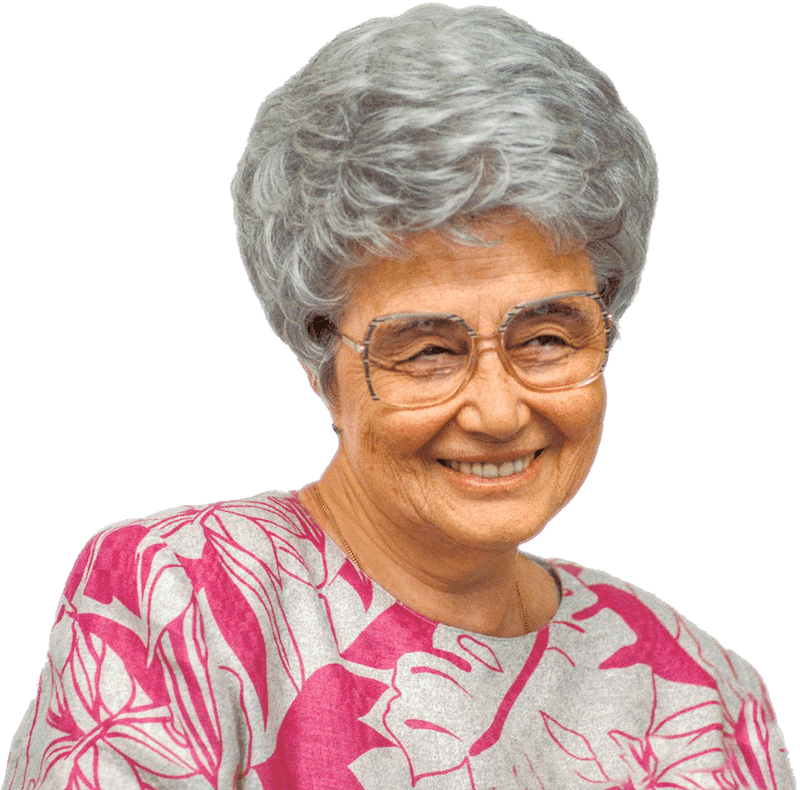
Il nostro comportamento verso il prossimo è come un boomerang che va e torna, ripercuotendosi su di noi. […] Come misuriamo saremo misurati.
Chiara Lubich, in Conversazioni in collegamento telefonico, a cura di Michel Vandeleene (Opere di Chiara Lubich 8.1), Città Nuova 2019, pag. 113
Chiara Lubich (1920 – 2008) è stata un’instancabile promotrice di una cultura dell’unità e della fraternità tra i popoli.
La spiritualità di Chiara Lubich esprime una poliedrica relazione, con Dio, i prossimi, la storia, in una tipica prospettiva comunitaria.
Uno specifico contributo per i diversi ambiti della vita umana, una proposta nella luce del carisma dell’unità.
Lui è risorto, lui è la risurrezione e la vita anche per noi. Diciamogli, forse per la prima volta, grazie della vita che avremo dopo e non terminerà. Promettiamogli di pensarci spesso, di fare i nostri progetti migliori non solo per questa vita ma per quella più importante. […] Allora Buona Pasqua a tutti e a ciascuno. Vi auguro che sia la più bella della vostra vita.
Chiara Lubich, conversazione telefonica del 16 aprile 1981Vi auguro di inabissarvi ogni momento nella volontà di Dio […]. La Madonna, che ne sa di volontà di Dio, ve la imprima nell’anima. Ve lo auguro con tutto il cuore.
Chiara Lubich, in Conversazioni in collegamento telefonico, a cura di Michel Vandeleene (Opere di Chiara Lubich 8.1), Città Nuova 2019, pag. 625Venerdì Santo, è la nostra grande festa: festa di dolore e di amore. Che il bacio alla croce abbia quest’anno il significato del suggello di una promessa: amarlo nelle persone che più lo ricordano, che più gli assomigliano.
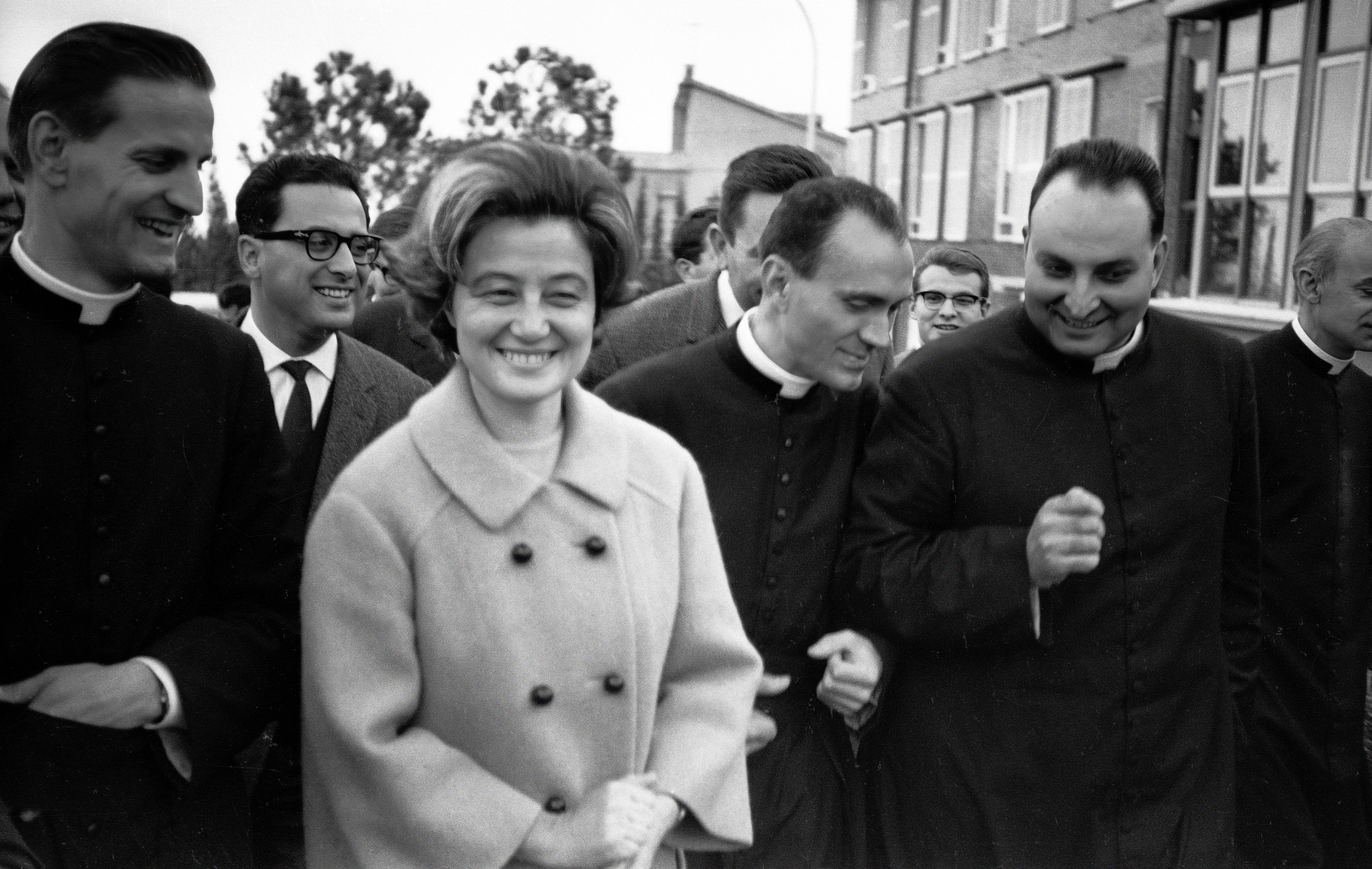
Chiara Lubich, in Conversazioni in collegamento telefonico, a cura di Michel Vandeleene (Opere di Chiara Lubich 8.1), Città Nuova 2019, pag. 151- Foto © CSC Audiovisivi.La foto è stata scattata da Thomas Klann nel giorno dell’ordinazione sacerdotale di Marco Tecilla e di Alfredo Zirondoli, il 22 novembre 1964. Chiara Lubich, all’esterno dell’attuale Centro Internazionale a Rocca di Papa sta camminando con un gruppo di focolarini: alla sua destra Marco Tecill...
Le promesse di Gesù sono così grandi, il futuro così luminoso e immenso che non è il caso di dubitare un attimo per incamminarci sulla via indicata da Gesù. […] La posta in gioco è troppo alta perché ce la lasciamo sfuggire. Dunque: abbiamo coraggio!
Chiara Lubich, in Parole di Vita, a cura di Fabio Ciardi (Opere di Chiara Lubich 5), Città Nuova 2017, pag. 232
data documentoApr 1981
Audio
data documentoApr 1981
Audio
data documentoApr 1981
Audio
data documentoApr 1981
Audio
Documento Audio|Aprile 1981In prossimità della Pasqua del 1981 Chiara offre un pensiero su quelle che definisce “le ore più preziose dell’anno”. Nel messaggio datato Giovedì Santo – 16 aprile 1981, ripercorre il triduo Pasquale che culmina con la Risurrezione di Gesù. “Lui è risorto. Lui è la risurrezione e la vita anche per noi. Diciamogli, forse per la prima volta, grazie della vita che avremo dopo e non terminerà”.data documentoMar 1972
Scritto
data documentoMar 1972
Scritto
data documentoMar 1972
Scritto
data documentoMar 1972
Scritto
Documento Scritto|Marzo 197230 marzo 1972 Era il Giovedì Santo, all’inizio del triduo Pasquale. Chiara Lubich incontra per un saluto prima della partenza dalla Cittadella, gli abitanti di Loppiano, allora chiamata “Mariapoli Aurelia”, in ricordo di Aurelio Lagorio, giovane focolarino deceduto quattro anni prima. In questa occasione Chiara sottolinea profonde realtà alla luce della sua personale esperienza, “forse perché Dio ha messo nel mio cuore – dice –, per tutti voi, il comandament...data documentoMar 1982
data documentoMar 1982
data documentoMar 1982
data documentoMar 1982
|Marzo 1982Parola di Vita di Marzo 1982 Nel suo commento, Chiara Lubich comunica con semplicità e trasparenza la personale scelta di seguire Gesù nella via dell’amore, quello cristiano, quello indicato da Gesù. Si tratta di una sequela fatta di atti concreti, di servizio. Ma è questa un testo che per Chiara costituisce l’occasione di annunciare anche la meta: “La via di Gesù è la strada sulla quale gli uomini debbono incamminarsi per arrivare alla loro piena realizzazione, a...data documentoNov 1998
Video
data documentoNov 1998
Video
data documentoNov 1998
Video
data documentoNov 1998
Video
Documento Video|Novembre 1998Münster, 15 novembre 1998 Chiara Lubich incontra a Münster (Germania), un folto gruppo di giovani radunati per una giornata dedicata alla vocazione. Il tema svolto, di cui ne viene riportata solo una prima parte, è tradotto in lingua tedesca in consecutiva.data documentoDic 1990
Scritto
data documentoDic 1990
Scritto
data documentoDic 1990
Scritto
data documentoDic 1990
Scritto
Documento Scritto|Dicembre 1990Parola di Vita dicembre 1990 Nel 1990, anno segnato dallo scoppio della Guerra nel Golfo, nel Natale di quell’anno, Chiara Lubich chiede a Gesù che torna bambino, alla sua “inerme onnipotenza che pieghi e spenga l'arroganza della violenza; che tolga dai cuori l'odio e vi immetta l'amore: che nessuna nazione al mondo fra poco si ricordi più di che cos'è la guerra”. Nello stesso mese di dicembre propone la Parola di Vita: "Rallegratevi nel Signore sempre" (Fil 4,4). Il commento ...data documentoDic 1984
Video
data documentoDic 1984
Video
data documentoDic 1984
Video
data documentoDic 1984
Video
Documento Video|Dicembre 1984Rocca di Papa, 30 dicembre 1984 Stralcio da un discorso di Chiara Lubich, alle e ai focolarini in formazione Chiara Lubich incontra a Rocca di Papa un gruppo di giovani che vogliono conoscere la vocazione totalitaria cui lei per prima ha risposto una “vocazione nuova nella Chiesa, nuovissima, moderna e particolare, che è la vocazione al focolare e precisamente la vocazione del focolarino”.data documentoMar 1958
Scritto
data documentoMar 1958
Scritto
data documentoMar 1958
Scritto
data documentoMar 1958
Scritto
Documento Scritto|Marzo 1958Tra gli scritti, nei suoi discorsi, spesso Chiara Lubich fa riferimento a Maria. In questo testo, già pubblicato negli Scritti Spirituali e in La dottrina spirituale, Chiara sembra comprendere con tenerezza la difficoltà di molti nel “capirla” ed al contempo, in tutta la sua grandezza, la presenta Madre, amata. “Le madri, in genere, specie dai figli piccoli, non sono “capite”, sono amate […]”. Così, come un piano inclinato, Maria, favorisce la relazione con Dio e conduce le crea...data documentoDic 2023
Video
data documentoDic 2023
Video
data documentoDic 2023
Video
data documentoDic 2023
Video
Documento Video|Dicembre 2023Rocca di Papa, 7 dicembre 1973 Oggi, 7 dicembre 2023, sono passati ottant’anni dal giorno in cui «il grande incendio del Focolare cominciò nel cuore di una ragazza[1]», come scrive il biografo E. Robertson. Nel 1973, a trent’anni dal suo “sì” a Dio, con toni intimi e un linguaggio quasi epistolare, Chiara ricorda e ridona la sua esperienza. Con la nota introduzione «Immaginate una ragazza innamorata; innamorata di quell’amore che è il primo, il più puro…»...data documentoGen 1999
Video
data documentoGen 1999
Video
data documentoGen 1999
Video
data documentoGen 1999
Video
Documento Video|Gennaio 1999Castel Gandolfo, 6 gennaio 1999 Rispondendo ad una domanda fattale da delle Gen3, ragazze che seguono il suo Ideale, Chiara Lubich parla loro di come sarà il Paradiso. Chi arriva in Cielo, è come se compisse un meraviglioso disegno, come strumento docile alla volontà di Dio, che in estrema sintesi può essere concentrata in una sola parola: amare.data documentoGiu 1981
Video
data documentoGiu 1981
Video
data documentoGiu 1981
Video
data documentoGiu 1981
Video
Documento Video|Giugno 1981Londra, 13 giugno 1981 Che cosa dovrebbe essere Maria per noi dei focolari? Chiara Lubich risponde a questa domanda della comunità del Regno Unito: come esprimere tutto il bene che vogliamo alla Madonna? Regalandole lo sforzo della nostra santità perchè la porti a Gesù, puntando su regaletti piccoli, sicuri, di giorno per giorno, sottesi alla tensione alla santità, fino ad essere ‘un’altra piccola Maria’.
- 23 Aprile 2024
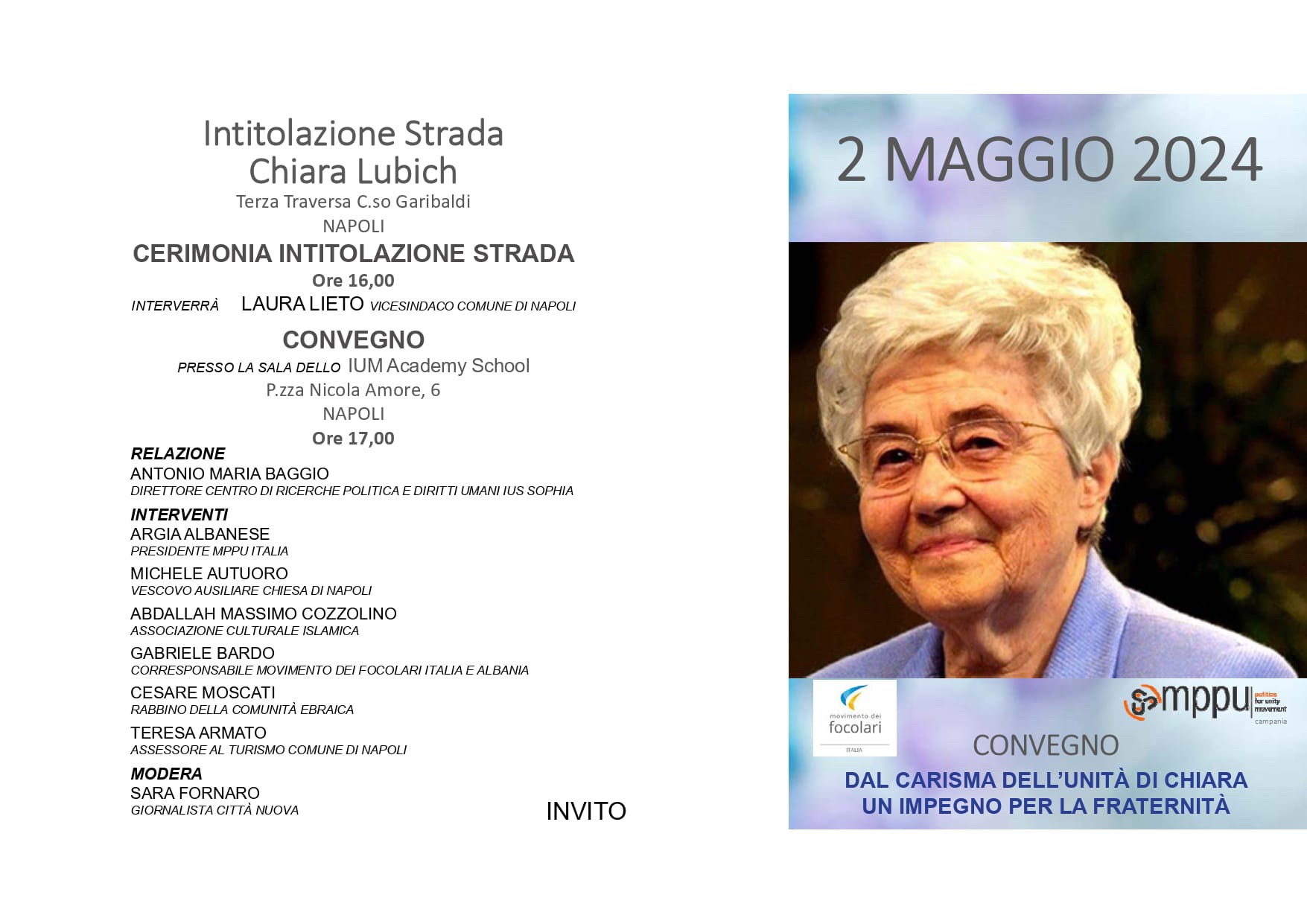
Cerimonia intitolazione strada, 2 maggio 2024 ore 17,00 presso la sala dello IUM Academy School, Napoli. Segue convegno dal titolo “Dal carisma dell’unità di Chiara un impegno per la fraternità”
- 10 Aprile 2024
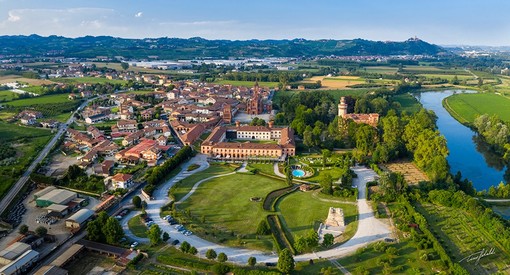
A Bra per l’XIª edizione della Giornata nazionale dell’Associazione Città per la fraternità.
- 13 Marzo 2024
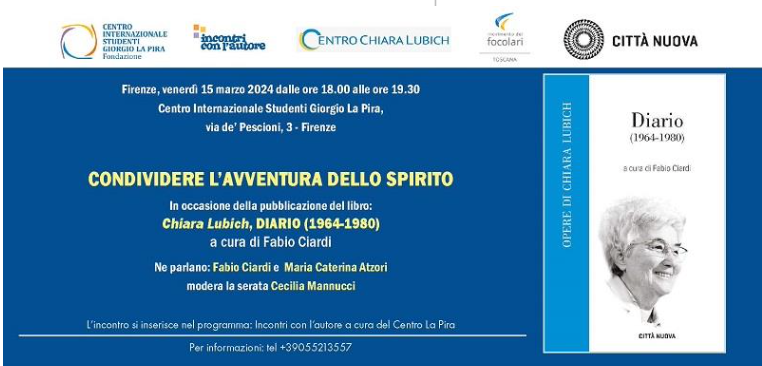
Centro Internazionale Studenti Giorgio La Pira, Firenze, Venerdì 15 marzo 2024, alle ore 18.00.
- 24 Febbraio 2024
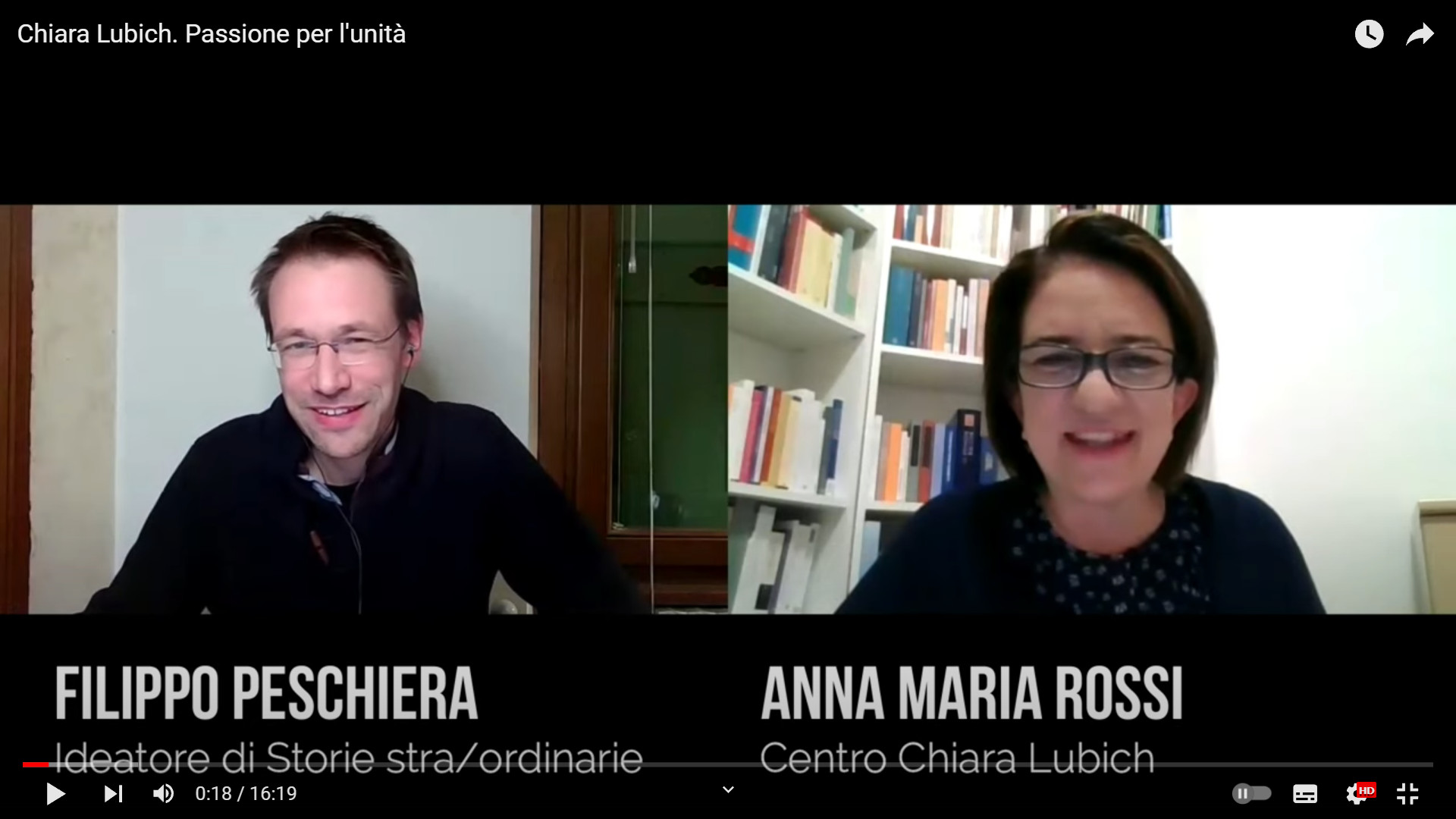
Flippo Peschiera, racconta storie di persone che, nell'ordinario della loro esistenza, hanno lasciato un'impronta indelebile nella vita di coloro che hanno incontrato. In occasione dell' 80° anniversario dalla consacrazione a Dio di Chiara Lubich, l’ideatore di storie stra-ordinarie intervista Anna Maria Rossi del Centro Chiara Lubich. Un’occasione per ripercorrere la
- 22 Febbraio 2024
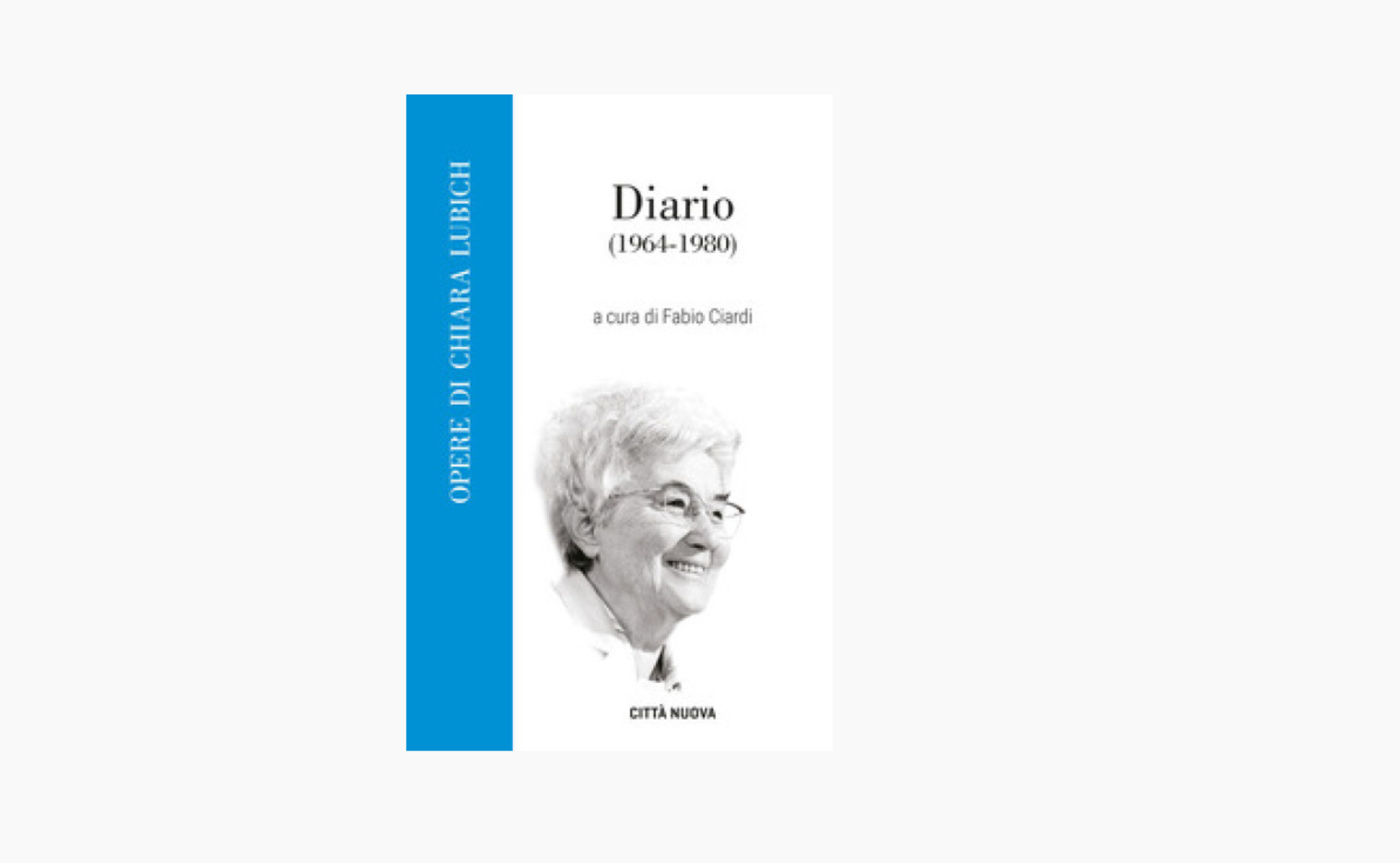
È ora disponibile in libreria, per l’ampio pubblico, il quinto volume della collana “Opere di Chiara Lubich”: Diario 1964-1980, a cura di Fabio Ciardi, edito da Città Nuova, in collaborazione con il Centro a lei dedicato. La nuova pubblicazione, uscita in occasione dell’80° anniversario del primo SI’ di Chiara Lubich
- 16 Gennaio 2024
Il concorso, giunto alla sua quarta edizione, continua ad offrire alle comunità scolastiche, sollecitate sempre da nuove sfide educative, un’opportunità di riflessione e approfondimento nell’ambito dei valori delle relazioni, dell’accoglienza nelle diversità, e dello sviluppo delle nuove tecnologie anche nell’ambito dello studio. In questo contesto si intende sottolineare il valore
- 8 Gennaio 2024
A ottant’anni dal “sì” di Chiara Lubich a Dio, una riflessione sulla chiamata alla vita in focolare. Per spiegare “questa vocazione nuova nella Chiesa, nuovissima, moderna e particolare, che è la vocazione al focolare e precisamente la vocazione del focolarino laico […] e della focolarina”, non si può prescindere dalla chiamata con la quale Dio manifesta il suo
- 22 Dicembre 2023
Il1990 è l'anno segnato dallo scoppio della Guerra nel Golfo, Il Natale di quell’anno, Chiara Lubich chiede a Gesù che torna bambino, alla sua “inerme onnipotenza che pieghi e spenga l'arroganza della violenza; che tolga dai cuori l'odio e vi immetta l'amore: che nessuna nazione al mondo fra poco si ricordi più di che cos'è la guerra”. Nello stesso mese di dicembre propone la Parola di Vita: "Rallegratevi nel Signore sempre" (Fil 4,4). Il commento è pubblicato anche in Chiara Lubich, in Parole di Vita, a cura di Fabio Ciardi, Opere di Chiara Lubich, Città Nuova, 2019.
- 6 Dicembre 2023
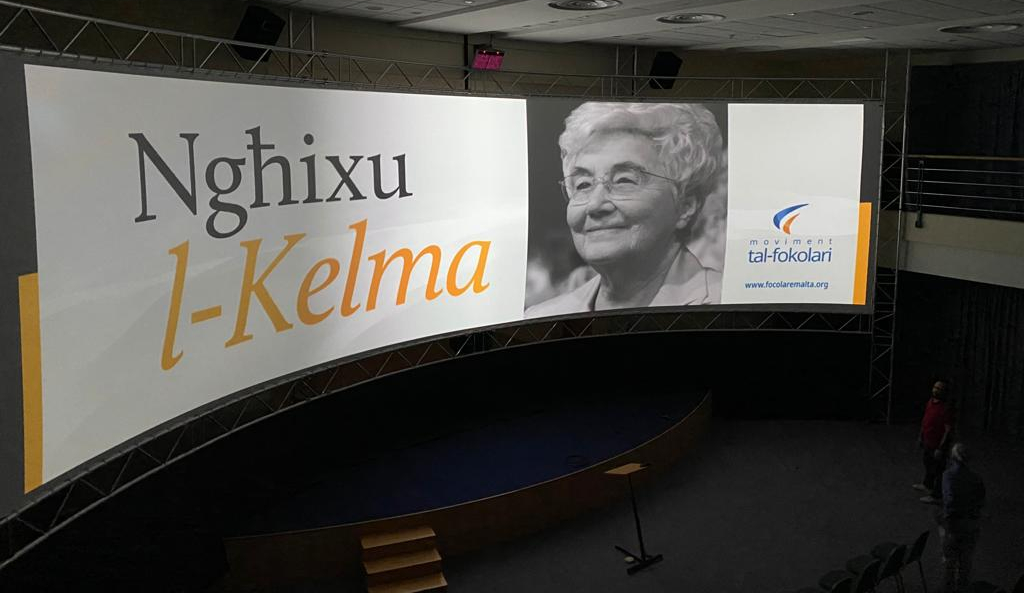
Il 18 novembre scorso è stato presentato a Malta il libro in maltese “Ngħixu l-Kelma” (Vivere la Parola).
- 13 Novembre 2023
Un vero e proprio viaggio nella storia della mistica femminile finora poco esplorata: si tratta del convegno che ha avuto luogo a Bologna che intendeva approfondire in particolare la questione del linguaggio delle mistiche dal Medioevo al '900. Attraverso alcuni suoi scritti è stata presentata l'esperienza mistica di Chiara Lubich, fondatrice del Movimento dei Focolari, la cui cifra fondamentale sta nell'essere un'esperienza comunitaria.